
Hope Against Finality
Just MercyThis thread traces hope as a disciplined willingness to act in situations where law, institutions, and experience offer little reassurance.
increasing Bearing strength in each event
 decreasing
Bearing strength in each eventdecreasingA Hymn in a Cell
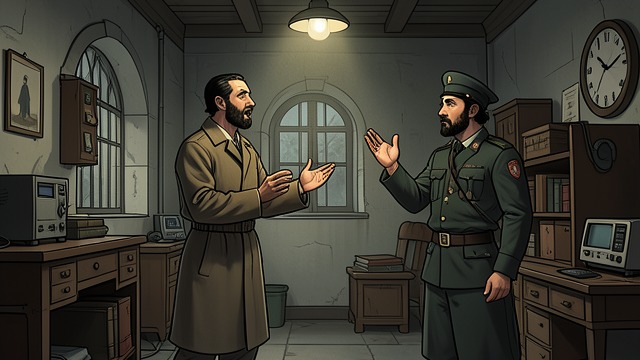
Henry Sings
A message of calm
As a guard leads him away, Henry sings a hymn about pressing toward higher ground.
Hope from the condemned
The song gives Bryan a gift he did not expect: a vision of humanity and hopefulness that persists under extreme confinement.
A Witness Urges Persistence

Keep Beating the Drum
A civil-rights elder
A man describes the scars he received while pursuing voting rights and urges Bryan to continue demanding justice.
Hope becomes responsibility
His words suggest that progress depends on people willing to remain present even when success is uncertain.
Minnie’s Confidence
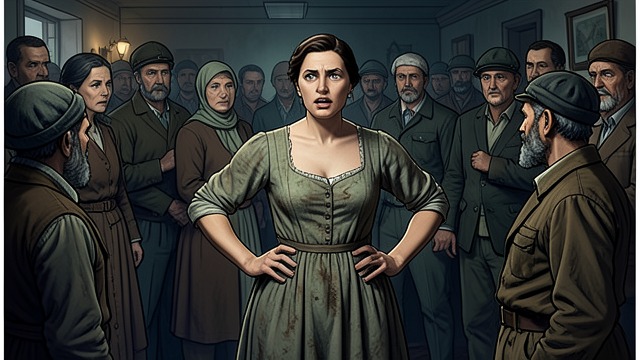
No Lie Can Last Forever
A family holds on
Minnie believes that the false story about Walter must eventually collapse.
Hope in prolonged uncertainty
Bryan is reluctant to promise success, but he does not discourage her. Her hope becomes a resource rather than a prediction.
An Unpromised Future

Possibility Without Guarantees
Children can change
Bryan argues that young people should not be treated as permanently fixed by adolescent crimes.
Law catches up slowly
Victories require years of appeals and later resentencing. Hope must remain active through delay and resistance.
The Work Continues
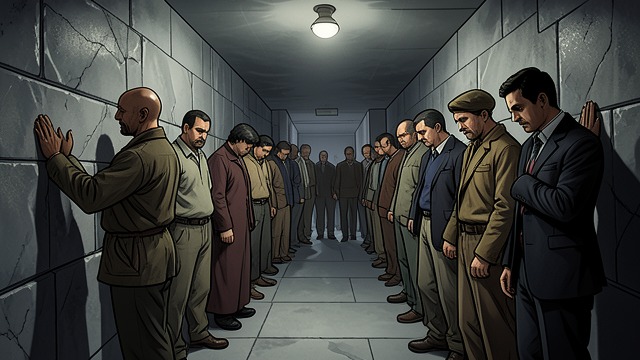
Hope as a Practice
Releases and ongoing cases
Formerly condemned people leave prison, while others remain in need of representation and care.
No final victory
Bryan describes the work as unfinished. Hope means continuing to confront injustice without claiming that every case will be won.
Bryan’s first death-row visit
During the early Alabama years
While Walter’s appeal is pending
During Bryan’s work on juvenile cases
In the 2019 postscript
